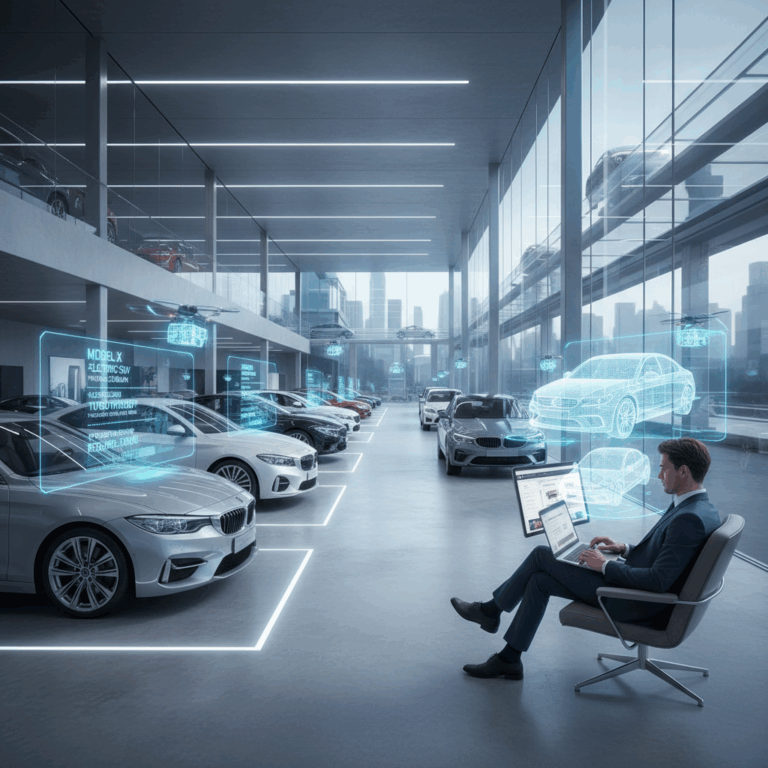
Changes in Car Buying Habits
The landscape of car buying has experienced a significant transformation, moving from traditional dealership visits to online platforms. This shift has empowered customers with greater access to information and transparency in pricing and financing options.
Consumers today demand faster, more personalized purchasing experiences. The widespread digitalization accelerated by the pandemic has altered expectations, making online and hybrid buying models highly preferred.
Shift from Traditional to Online Purchases
Buying cars online is no longer an exception but a growing norm. Recent studies show that 78% of potential buyers prefer purchasing their next vehicle at least partially online, signaling a clear decline in exclusive in-person transactions.
Within this group, 42% would opt for a fully digital buying process, appreciating the convenience of completing everything online from browsing to payment. This transition challenges dealerships to innovate and offer seamless digital experiences.
Consumer Preferences for Digital and Hybrid Experiences
Many buyers favor hybrid models that combine online convenience with occasional physical dealership visits. Around 36% prefer this mixed approach, seeking the ability to see and test vehicles when needed without sacrificing digital ease.
This reflects a demand for flexibility and transparency, where customers expect personalized financing options and rapid service while leveraging digital tools to reduce purchasing time and complexity.
Technological Impact on Dealerships
The rise of digital platforms has dramatically reshaped car dealerships, making technology a cornerstone of modern sales strategies. Mobile-first approaches prioritize user-friendly interfaces that cater to on-the-go buyers.
Dealerships embracing innovation use advanced tools to streamline processes and enhance customer engagement. This tech-driven shift aids in meeting the expectations of a digitally savvy clientele.
Role of Digital Platforms and Mobile-First Strategies
Digital platforms have revolutionized car buying by providing instant access to detailed vehicle information, pricing, and financing options. Mobile-first design ensures seamless interaction on smartphones, which are now the primary devices for many shoppers.
Dealerships adopting these strategies improve reach and convenience, enabling customers to browse inventories, compare models, and even initiate purchases from any location. This approach enhances the overall buying experience.
The focus on mobile usability not only attracts younger buyers but also supports fast-paced lifestyles. With transactions becoming more digital, dealerships must optimize platforms for responsiveness and easy navigation to stay competitive.
Use of Big Data and Artificial Intelligence
Big data and AI are critical in transforming dealership operations by offering personalized recommendations and customized financing solutions. These technologies analyze vast customer insights to tailor the sales process effectively.
AI-powered tools reduce the time to close deals by automating responses and guiding buyers through complex options. This also leads to higher customer satisfaction through relevant, data-driven interactions.
Dealerships integrating AI benefit from predictive analytics to identify buying patterns and forecast demand, thereby optimizing inventory and marketing strategies. This data-centric approach boosts efficiency and sales performance.
Innovative Online Services by Automakers
Leading automakers have launched innovative online services, such as home test drives, instant financing approvals, and vehicle reservations through mobile apps. These features simplify the buying process and maximize convenience.
Platforms offering real-time offers and doorstep delivery highlight the shift toward fully digital transactions. These services cater to evolving consumer preferences for speed and transparency in purchasing.
Example: Hyundai’s Digital Initiatives
Hyundai’s mobile platform enables customers to reserve cars, arrange home test drives, and receive financial offers within minutes. This scalable model demonstrates efficiency and customer-centric innovation in the digital retail space.
Evolution of Physical Dealerships
The traditional car dealership is evolving into a hybrid space that combines physical presence with digital capabilities. This transformation aims to meet modern buyers’ expectations for both experience and convenience.
As more sales processes move online, dealerships can focus on creating engaging, personalized showrooms that offer tactile experiences while streamlining purchase and financing digitally.
Transformation into Experiential Showrooms
Physical dealerships are shifting from mere sales points to immersive environments where customers can see, touch, and test vehicles. This approach adds emotional value and deepens brand connection.
Showrooms now prioritize customer engagement, offering interactive displays and personalized consultations. This enhances trust and helps close deals by complementing online research with hands-on experience.
The showroom becomes a space for education and exploration, allowing buyers to better understand features and options before finalizing their purchase remotely or onsite.
Integration of Omnichannel Sales Models
Modern dealerships implement omnichannel strategies, blending online platforms with in-person services to create seamless, consistent experiences. Customers can switch effortlessly between channels.
This integration enables buyers to browse, negotiate, and finance vehicles digitally, then complete test drives or vehicle pick-up in-store. The result is a flexible, convenient process tailored to individual needs.
Omnichannel models also support post-sale services like maintenance scheduling and upgrades through online portals, maintaining customer engagement beyond the initial purchase.
Future Business Models and Market Risks
Car dealerships face a future shaped by innovative business models like mobility services and subscription plans. These alternatives reflect changing consumer demands for flexibility and cost efficiency.
As customers gravitate toward usage-based ownership, dealerships must explore integration with mobility platforms to remain relevant. Providing diverse options will attract a wider audience.
Emergence of Mobility Services and Subscription Models
Mobility services, including car-sharing and rentals, are transforming traditional ownership concepts. Subscription models offer customers the ability to switch vehicles without long-term commitment, appealing to modern lifestyles.
This shift creates opportunities for dealerships to diversify revenue streams beyond direct sales. By partnering with mobility providers, dealers can participate in flexible vehicle access markets.
These new models also require dealerships to adopt innovative approaches to fleet management and customer service, emphasizing convenience and digital interaction.
Necessity of Adaptation to Maintain Competitiveness
Adapting to evolving market dynamics is essential for dealerships to survive and thrive. Embracing digital transformation and omnichannel sales will enhance customer experience and operational efficiency.
Dealerships that fail to innovate risk losing market share to online platforms and mobility services. Competitiveness depends on agility, customer-centric solutions, and continuous technology investment.
Successful adaptation involves combining the best of physical and digital channels, providing fast, transparent, and tailored experiences to meet rising consumer expectations.