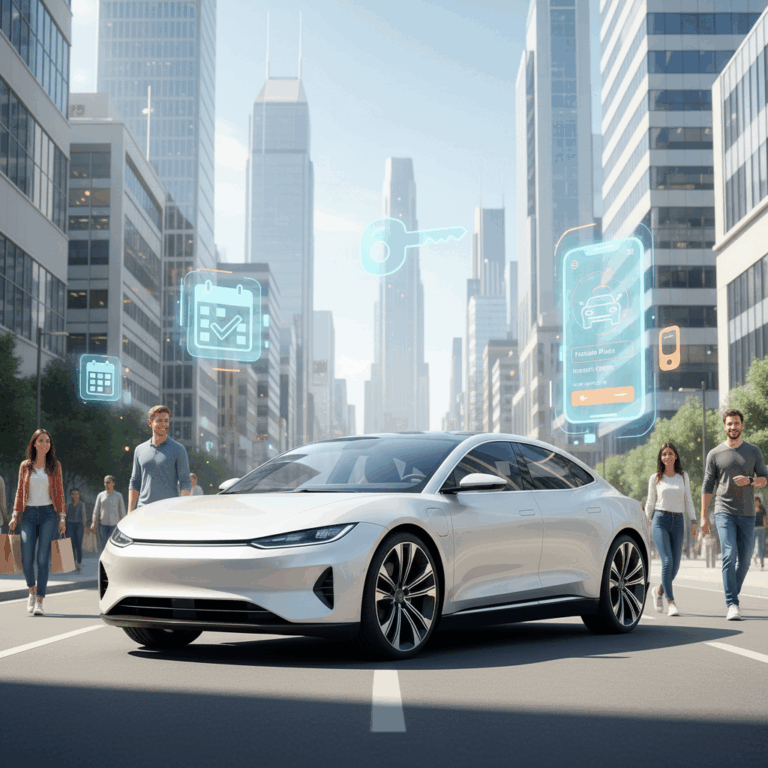
The Rise of Car Subscription Services
Car subscription services are rapidly changing how people access mobility, offering a new way to use vehicles without ownership complications. This model is gaining popularity globally.
In 2025, countries like Spain see a growing interest, with over half of car owners open to switching to subscriptions, reflecting a significant shift in consumer preferences and behaviors.
This trend is fueled by the desire for more flexible, convenient, and cost-effective mobility options that adapt to lifestyle changes and evolving transportation needs.
Market Growth and Adoption Trends
The car subscription market has expanded swiftly, driven by changing consumer habits and demand for hassle-free vehicle access. Many prefer subscriptions over traditional ownership.
Studies show that in countries such as Spain, 54.4% of car owners would consider subscription services, highlighting widespread interest and potential for further growth worldwide.
Automakers and startups alike invest heavily in this sector, accelerating adoption with tailored subscription offers and digital platforms to attract diverse customers.
Key Advantages for Consumers
Subscribers benefit from fixed monthly payments that cover essentials like maintenance, insurance, and taxes, removing unexpected costs and offering financial predictability.
Flexibility is a major advantage, as users can switch vehicles regularly, suiting changing needs or preferences without long-term commitments or resale worries.
This model also reduces the usual stress of car ownership, giving consumers a seamless, convenient experience with all logistical aspects handled by the service provider.
Features and Benefits of Subscription Models
Car subscription models provide a seamless and flexible way to access vehicles through a single monthly payment that covers multiple costs. They simplify vehicle usage.
Users benefit from a broad selection of cars, enabling them to match their vehicle choice with their current lifestyle or preferences without commitment to one model.
The all-inclusive nature of subscriptions removes the burden of maintenance, insurance, and taxes, which are managed by the provider for a hassle-free experience.
Fixed Monthly Payments and Cost Coverage
Subscription services feature predictable monthly fees that include maintenance, insurance, and taxes, helping consumers avoid unexpected expenses. This clarity is crucial for budgeting.
This payment structure delivers financial peace of mind, as customers can enjoy driving without worrying about fluctuating costs often associated with traditional ownership.
By consolidating these costs, subscriptions eliminate the need to separately manage various bills, simplifying vehicle access and enhancing user convenience.
Vehicle Flexibility and Variety
Subscribers can choose from diverse vehicle types and switch cars frequently, catering to different needs such as family trips or urban commuting without long-term contracts.
This flexibility appeals to users who prefer trying new models or whose transportation demands change seasonally, making the service adaptable and user-centric.
The broad variety available encourages exploration of electric or hybrid vehicles, supporting greener choices while maintaining convenience.
Maintenance, Insurance, and Tax Handling
The subscription provider handles vehicle upkeep, insurance coverage, and tax payments, relieving users from these responsibilities entirely.
This comprehensive management guarantees well-maintained vehicles and compliance with legal requirements, enhancing safety and reliability for subscribers.
By covering these services, subscriptions create a worry-free driving experience, freeing customers to focus purely on using the vehicle.
Impact on Sustainable Mobility
Car subscription services are shaping sustainable mobility by increasing access to eco-friendly vehicles. They enable users to drive electric and hybrid cars without large upfront costs.
This approach supports a reduction in carbon emissions and promotes greener transportation by making low-emission vehicles more accessible to a broader audience.
As a result, subscriptions contribute to environmental goals while providing convenience and flexibility to users who seek sustainable options.
Access to Electric and Hybrid Vehicles
Subscription models lower barriers to electric and hybrid vehicle usage by offering these cars within flexible plans. This allows consumers to experience green technology easily.
Many subscribers benefit from driving electric or hybrid cars without the high initial purchase price, facilitating a smoother transition to sustainable mobility.
By increasing exposure to eco-friendly vehicles, subscription services encourage wider adoption of clean transportation and decrease fossil fuel reliance.
Reduction of Economic Barriers
Car subscriptions reduce economic obstacles by including maintenance, insurance, and taxes in one predictable monthly fee, making vehicle access more affordable and manageable.
This comprehensive cost coverage makes it easier for individuals to access newer, greener cars without the financial risks of ownership, fostering inclusivity in sustainable transport.
Such models democratize access to cleaner vehicles, helping overcome financial challenges and accelerating the shift toward environmentally friendly mobility solutions.
Technology and Future Outlook
The rapid advancement of digital technology is crucial in the integration of car subscription services with broader mobility ecosystems. Digital platforms enable seamless booking and management.
Integration of mobile apps, real-time data, and automated systems enhances customer experience by providing instant access, personalized offers, and simplified service handling.
As digitalization progresses, it supports the fusion of car subscriptions with other transport modes, paving the way for holistic and flexible mobility solutions in urban areas.
Role of Digitalization in Service Integration
Digital tools streamline subscription management, allowing users to easily select vehicles, schedule swaps, and handle payments via user-friendly apps and websites.
Real-time vehicle tracking and data analytics improve service efficiency, helping providers optimize fleet use and anticipate maintenance needs before issues arise.
Moreover, digital integration facilitates connections with public transport and ride-hailing, creating comprehensive alternatives that reduce reliance on car ownership.
Such innovations enable personalized mobility solutions, tailoring options to individual preferences and lifestyles through smart, connected technology.
Growth Opportunities in Key Markets
Key markets, including Europe and North America, show strong potential for expansion as rising urban populations seek flexible, cost-effective transport solutions.
The increasing demand for sustainable vehicles creates opportunities for subscription services specializing in electric and hybrid models, meeting eco-conscious consumer needs.
Emerging markets also present growth prospects where rising incomes and urbanization drive interest in new mobility trends, supported by improving digital infrastructure.
Strategic partnerships among automakers, technology firms, and mobility providers will fuel market growth by delivering integrated, appealing subscription offerings worldwide.