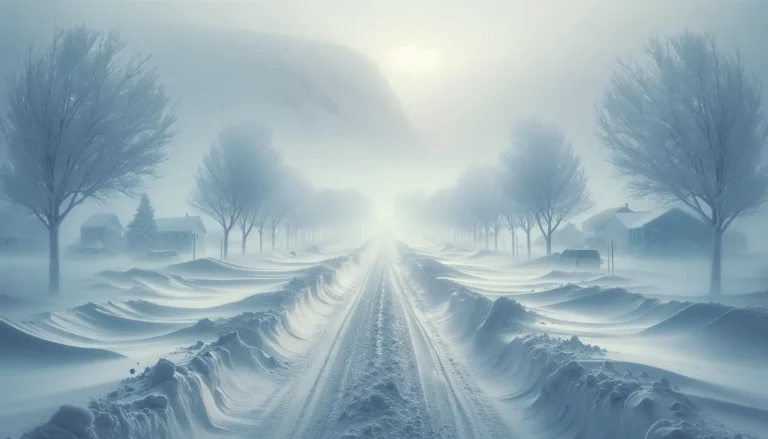
A devastating winter storm swept across the United States, claiming 28 lives and paralyzing regions from the Northeast to the South. The storm’s harsh snow and ice created widespread havoc, disrupting daily life and straining emergency services.
From January 22 to 26, 2026, the powerful system unleashed severe winter weather, including record snowfalls and dangerous ice accumulations. Millions faced power outages, travel bans, and hazardous conditions amid falling temperatures and relentless storms.
This historic event exposed vulnerabilities in infrastructure and emergency preparedness, underscoring the urgent need for improved resilience. Communities struggled to cope with the unprecedented storm’s impact while mourning lives lost to its deadly effects.
Event Timeline and Meteorological Overview
The deadly winter storm struck from January 22 to 26, 2026, starting as a cold-core low in the Pacific before spreading across the US. It covered a vast 1,300-mile path from Arkansas to New England, unleashing snow, sleet, and ice.
By January 25, the storm reached its peak intensity as a nor’easter over the Northeast, producing snowfall rates of 2-3 inches per hour. It became one of the most severe storms in decades with record snow and freezing temperatures.
The storm caused widespread disruption and danger, affecting millions through power outages and travel chaos, while harsh conditions persisted through the affected regions.
Storm Formation and Peak Intensity
The storm formed due to Arctic air colliding with moist subtropical air, generating heavy snow exceeding one foot in many areas and a severe ice storm in southern states with up to 0.6 inches of ice.
The Northeast recorded snowfall up to two feet combined with heavy ice and freezing rain. Over 1 million people lost power, mainly in the South, and more than 12,000 flights were cancelled on the worst day.
This rare combination led to dangerous conditions across broad regions, highlighting the storm’s unique and intense development phases during its peak.
Ongoing Effects and Cold Snap
After the storm, icy roads and heavy snowpacks created ongoing travel hazards and caused numerous accidents across affected states. Power outages remained widespread, especially in the South.
Hundreds of thousands of customers continued without electricity days after the storm, complicating recovery in freezing temperatures and increasing health risks such as hypothermia.
A severe cold snap followed with record low temperatures across much of the eastern US, adding further challenges to emergency response and public safety efforts.
Regional Impacts and Disruptions
The winter storm unleashed harsh conditions across multiple regions, disrupting daily life, transportation, and power supply for millions from the South to the Northeast.
Widespread power outages, travel bans, and school closures became common as emergency services struggled to keep pace with the storm’s damage and hazards.
Infrastructure vulnerabilities were exposed while residents faced severe challenges staying safe amid relentless snow, ice, and subzero temperatures.
Southern States: Ice Storms and Power Failures
Southern states experienced severe ice accumulation with up to 0.6 inches of ice causing widespread tree damage and power line failures, leaving over 1 million people without electricity.
Roads turned slick and dangerous, prompting closures and numerous accidents, while frozen pipes and heating issues added to homes’ hardship during the deep freeze.
Restoration efforts were hampered by ongoing freezing rain and cold, forcing extended outages and straining local emergency resources across the region.
Northeast and Mid-Atlantic: Heavy Snow and Travel Halts
The Northeast and Mid-Atlantic faced historic snowfall up to two feet in places, paralyzing transportation networks and forcing cancellations of over 12,000 flights nationwide.
Highways were clogged or icy, trains delayed, and airports shut down as heavy snow combined with freezing rain brought nearly all travel to a halt in major cities.
Emergency declarations were issued as residents coped with snowdrifts, power losses, and bitter cold, putting public safety systems to the ultimate test.
Expert Analysis and Lessons Learned
The storm revealed critical weaknesses in emergency preparedness and response across multiple states, emphasizing gaps in infrastructure resilience. Experts highlight the urgent need for better coordination between local and federal agencies to handle extreme weather events more effectively. Public communication strategies also require improvement to keep residents informed and ready during crises.
Analysis shows that despite advanced forecasting, rapid storm intensification caught many off guard, leading to overwhelmed resources and delayed recovery efforts. The importance of pre-storm planning and real-time situational awareness became clear as officials struggled to deploy aid and restore essential services quickly.
Lessons drawn from this event stress the value of investing in weather-resistant infrastructure and expanding community support networks. Strengthening power grids and ensuring access to emergency shelters are vital steps to mitigate future winter storm impacts and protect vulnerable populations from harsh conditions.
Infrastructure Vulnerabilities Exposed
The storm exposed major weaknesses in power infrastructure, with ice accumulation snapping lines and toppling trees, leaving millions without electricity. Many regions lacked adequate insulation and backup systems to prevent extended outages during harsh weather. Aging grids showed poor adaptability to sudden load increases and physical damage.
Transportation systems also faltered under extreme snow and ice, revealing insufficient winter maintenance capacity on roads and railways. Delays and closures highlighted gaps in preparedness for severe weather, especially in areas not regularly experiencing such conditions. Airports and mass transit struggled to maintain operations amid heavy snowfall.
Critical facilities, including hospitals and emergency centers, faced challenges due to power losses and limited heating, underscoring the need for more robust infrastructure. Investments in resilient design and redundancy are necessary to ensure continuous service during future storms and severe cold snaps.
Future Preparedness Recommendations
Experts recommend upgrading power grids with smart technologies and underground lines to reduce ice damage risk. Enhanced maintenance and rapid response teams should remain on standby during winter forecasts to expedite repairs and restore power more efficiently. Investment in renewable energy and microgrids can also increase system resilience.
Improved coordination across states is essential to mobilize resources and emergency services swiftly during widespread winterstorms. Public awareness campaigns should focus on educating residents about storm preparedness, safe travel, and maintaining heating during outages. Schools and workplaces need adaptable policies for severe weather closures.
Long-term strategies include climate-adaptive urban planning, incorporating green infrastructure to manage stormwater and reduce hazards. Building codes must be updated to improve insulation and structural strength against ice and snow loads. These measures will help minimize damage and protect communities amid evolving winter weather extremes.
Human Stories and Victim Tributes
The deadly storm left deep scars across affected states, with families mourning loved ones lost to harsh winter conditions and accidents. Communities rallied to support those hit hardest, showing resilience amid tragedy.
Emergency responders worked tirelessly to save lives under extreme weather, often facing perilous conditions themselves. Their dedication highlights the human spirit in crisis, even as the storm exposed systemic preparedness gaps.
Tributes poured in nationwide for the 28 lives claimed, emphasizing the urgent need to protect vulnerable populations and learn from this devastating event to prevent future loss.
Tragic Losses in the South
In southern states, many fatalities resulted from icy roads causing fatal accidents and carbon monoxide poisoning from improper heating methods during power outages. These deaths starkly reveal the deadly consequences of infrastructure failure.
Families recounted last moments of loved ones trapped in freezing homes or stranded vehicles, underscoring the importance of reliable power and emergency communication during extreme cold snaps.
The grief across rural and urban areas alike highlighted disparities in access to emergency services, prompting calls for improved resources and targeted outreach to vulnerable communities.
Heartbreaking Incidents in the Northeast
The Northeast saw tragic losses primarily from falls on ice, traffic crashes, and exposure to bitter cold during travel attempts. Many victims were elderly or had limited mobility, revealing societal protection gaps.
Stories emerged of neighbors braving harsh conditions to aid stranded individuals, reflecting community solidarity amid widespread disruption. These acts of kindness brought some comfort amid sorrow.
Memorials and vigils continue to honor those lost, motivating officials and citizens to enhance winter storm preparedness and ensure no life is needlessly lost in future emergencies.