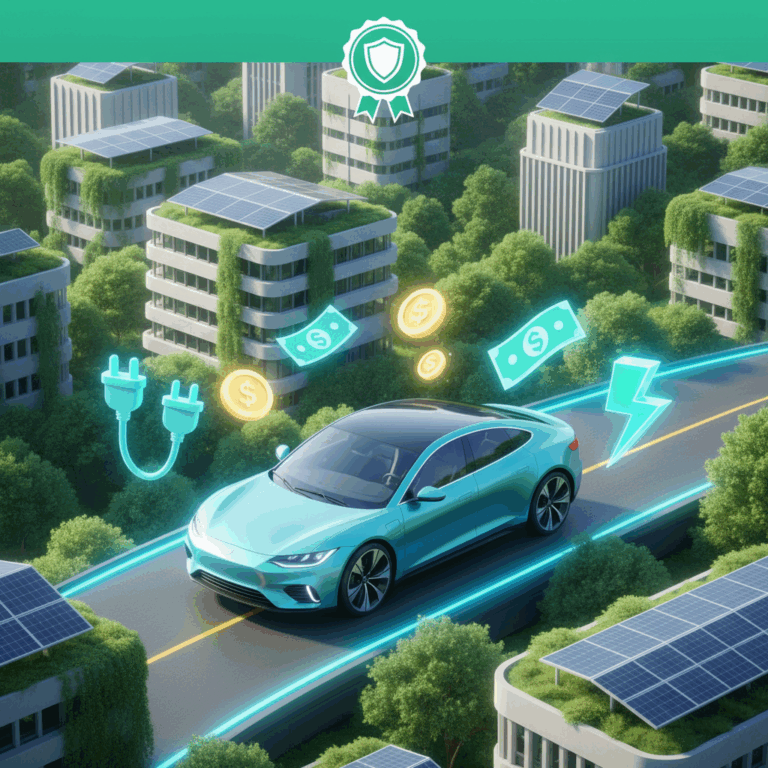
Overview of Electric Car Incentives
Electric car incentives are crucial to accelerating the adoption of clean transportation. These incentives typically include financial rewards that lower the cost of purchasing electric vehicles.
Governments aim to support the transition to sustainable mobility by making electric cars more appealing and accessible to a wide range of consumers.
These programs also promote the development of essential infrastructure, such as charging stations, enhancing the overall electric vehicle (EV) ecosystem.
Types of Government Incentives
Governments offer various incentives including direct subsidies, tax deductions, and exemptions from certain fees, all designed to reduce the financial burden of buying an electric car.
Subsidies can be cash rebates or grants, while tax incentives often take the form of income tax credits or reductions, encouraging consumers to choose electric over conventional vehicles.
Additional incentives may include exemptions from road taxes, reduced registration fees, or benefits like free parking and access to restricted traffic zones.
These incentives vary by country but share the common goal of encouraging consumers to adopt cleaner transportation options.
Objectives of Incentive Programs
The primary goal of incentive programs is to increase the adoption rate of electric vehicles by making them financially competitive with traditional cars.
Such programs aim to reduce greenhouse gas emissions and dependence on fossil fuels, supporting national and international climate goals.
Additionally, incentives help stimulate the growth of charging infrastructure, which is vital for the convenience and feasibility of electric vehicle use.
Ultimately, these programs encourage a shift toward sustainable transportation, fostering environmental benefits and innovation in the automotive industry.
Incentive Programs in Europe
European countries have implemented diverse incentive programs to boost electric car adoption. These measures aim to reduce emissions and promote cleaner transportation.
Spain, Germany, and France lead with strong incentives, making electric vehicles more affordable through financial support and tax benefits.
These programs also encourage infrastructure development, increasing consumer confidence in electric vehicle usage across the continent.
Spain: Plan MOVES III and Tax Deductions
Spain’s Plan MOVES III offers up to 7,000 euros for purchasing an electric car, requiring the scrappage of an older vehicle. This direct subsidy lowers entry barriers.
Additionally, buyers can benefit from a 15% tax deduction in personal income tax for purchases made since June 2023, providing further financial relief.
The program also supports charging infrastructure installation, helping create a reliable network that boosts the practicality of electric cars.
Germany: Subsidies and Tax Exemptions
Germany provides subsidies up to 6,750 euros on electric car purchases, making EVs more competitive with gasoline vehicles. This financial help significantly reduces costs.
Moreover, EV owners enjoy a 10-year exemption from circulation tax, encouraging long-term ownership and reducing ongoing expenses.
These incentives, combined with infrastructure investments, contribute to Germany’s rapidly growing electric vehicle market.
France: Bonuses and Scrappage Incentives
France offers bonuses of up to 7,000 euros for buying electric cars, with additional rewards for scrapping older, polluting vehicles to promote cleaner transport.
These scrappage incentives motivate drivers to upgrade from high-emission cars to eco-friendly ones, accelerating the transition to sustainable mobility.
France’s policy framework boosts both new EV sales and the replacement of outdated vehicles, supporting nationwide emissions reduction targets.
Impact of Incentives on Electric Car Sales
Government incentives have played a pivotal role in boosting electric car sales, making these vehicles more financially accessible to a broader audience.
These incentives not only make EV purchase prices competitive but also improve consumer confidence by promoting supportive charging infrastructure.
As a result, more drivers are motivated to switch to electric vehicles, accelerating the shift toward sustainable transportation globally.
Increase in Electric Vehicle Adoption
Financial incentives like subsidies and tax deductions have significantly increased electric vehicle adoption by lowering upfront costs and ongoing expenses.
In countries with strong incentive programs, electric cars have seen rapid market growth, reflecting higher consumer interest and accessibility.
This expansion helps reduce greenhouse gas emissions and supports governments’ environmental goals by encouraging cleaner personal transportation.
As incentives reduce financial barriers, a growing number of consumers feel empowered to choose electric vehicles over traditional combustion engines.
Growth of Charging Infrastructure
Incentive programs often include support for building charging stations, which is essential for widespread electric vehicle use and consumer convenience.
Expansion of this infrastructure underpins consumer confidence, ensuring users can reliably recharge and maintain their vehicles on daily routes.
Enhanced charging networks foster electric vehicle adoption by addressing range anxiety and making EV ownership practical for more people.
Investment in public and private charging points is thus a direct outcome of incentives, creating a positive feedback loop benefiting sales and sustainability.
Future Prospects and Challenges
The future of electric car incentives holds great promise for advancing sustainable mobility. Governments remain committed to supporting the shift away from fossil fuels.
However, challenges persist in ensuring these incentives effectively address market barriers and foster widespread electric vehicle adoption.
Continuous innovation and policy adaptation are required to sustain momentum and meet evolving environmental goals.
Encouraging Sustainable Mobility
Incentives are vital to making electric vehicles more attractive and affordable, encouraging environmentally friendly transportation choices.
They promote reduced emissions and support cleaner urban air quality, aligning with global efforts to combat climate change.
Incentive programs also drive investment in charging networks, making electric cars more practical for everyday use.
By fostering a robust EV ecosystem, governments help transform mobility towards sustainability.
Addressing Market and Adoption Barriers
Despite incentives, high upfront costs and limited charging infrastructure remain significant barriers to adoption for many consumers.
Education and outreach efforts are needed to improve public awareness about the benefits and feasibility of electric vehicles.
Policymakers must also address supply chain constraints and ensure the equitable distribution of incentives.
Overcoming these challenges is critical to achieving widespread EV adoption and long-term environmental impact.