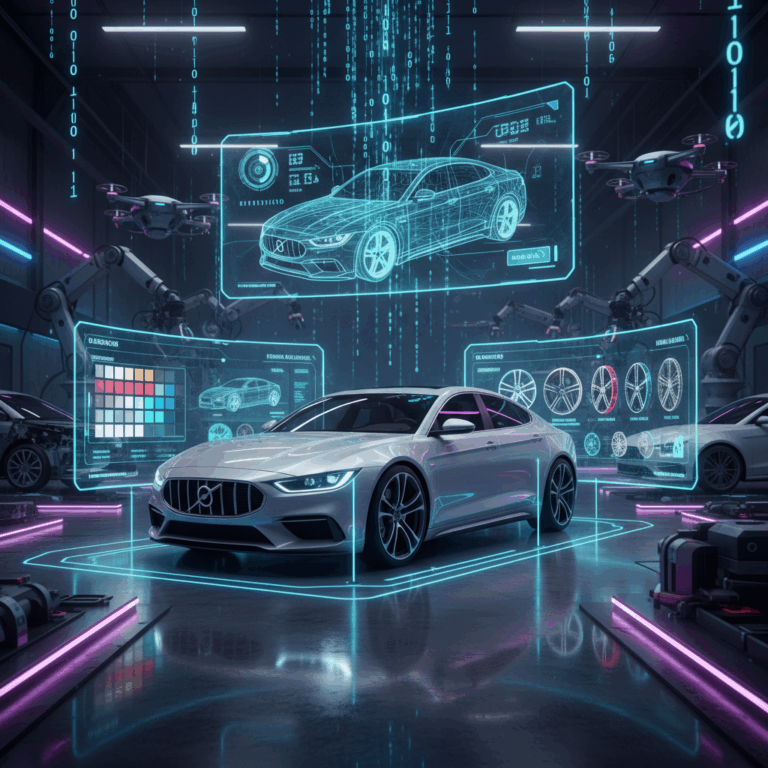
Technological Advances in Car Aesthetics
The automotive customization world is evolving rapidly thanks to technological progress. In 2025, enhancements in car aesthetics allow owners to express their unique style with ease.
Innovations such as aesthetic car wrapping and vinyl options have made personalizing vehicles more accessible. These techniques enable creative transformations without permanent changes.
Manufacturers also contribute by offering an extensive range of paint combinations, allowing buyers to customize their vehicles directly from production lines, increasing personalization options.
Aesthetic Car Wrapping and Vinyl Options
Car wrapping has surged in popularity due to its versatility and affordability. It involves applying vinyl films that come in varied colors and textures, dramatically altering a vehicle’s exterior look.
This method lets owners switch styles frequently, experimenting with matte, gloss, or metallic finishes. Vinyl wraps protect the original paint while showcasing personal tastes and artistic designs.
Additionally, vinyl technology has advanced, improving durability against weather and UV rays, ensuring that wraps remain vivid and intact for extended periods, enhancing long-term aesthetics.
Car wrapping has become an ideal choice for those wanting to renovate their vehicle’s appearance without committing to costly, permanent paint jobs.
Advanced Paint Combinations by Manufacturers
Leading car brands now offer a broad spectrum of paint options, including multi-layered coatings and complex color blends. For instance, Renault provides over 600 color combinations for select models.
These advanced paint techniques allow subtle shading effects and enhanced depth, giving cars a unique and striking presence on the road. Personalization starts right at the factory level.
Moreover, manufacturers are incorporating eco-friendly paints with protective qualities that resist fading and damage. This innovation extends the lifespan and appearance of the vehicle’s exterior.
Did You Know?
Some automotive paint technologies now include self-healing properties that reduce minor scratches, maintaining a flawless surface for longer after manufacture.
Smart Audio and Sound Customization
Car audio systems are undergoing a revolution with the integration of artificial intelligence, allowing dynamic sound tuning tailored to each vehicle’s unique interior acoustics.
Additionally, intelligent exhaust systems enable drivers to customize engine sounds, blending performance with personal preference for an enhanced auditory experience.
These advances create a more immersive and personalized driving atmosphere, merging technology and emotion through sound customization.
AI-Enhanced Sound Systems
AI-powered audio systems analyze the cabin’s acoustic environment in real time, optimizing sound output to deliver crystal-clear music regardless of road noise or passenger position.
The system adjusts equalization, bass, and treble automatically, providing an adaptive listening experience that improves with driver preferences and audio content.
Such intelligent sound setups elevate in-car entertainment by ensuring every note is perfectly balanced and enhancing passengers’ enjoyment during each journey.
Customizable Engine Sound with Intelligent Exhausts
Intelligent exhaust systems offer drivers control over loudness and tone of engine sounds, creating personalized feedback that matches their driving style and mood.
By electronically modulating exhaust valves and resonators, these systems can simulate sporty roars or subtle purrs, enhancing both aesthetics and performance feel.
This feature allows for a unique sonic identity, increasing driver engagement while maintaining compliance with noise regulations under various conditions.
Impact on Driver Experience
Customized sound environments foster stronger emotional connections between drivers and their vehicles, improving satisfaction and comfort during travel.
Enhanced audio and engine tones reduce fatigue by creating stimulating or relaxing atmospheres, positively influencing focus and enjoyment on the road.
These innovations contribute to a holistic driving experience where sound is not only heard but felt, deepening the bond between technology and human perception.
Augmented Reality and Interface Innovations
Augmented reality (AR) is transforming vehicle interfaces by integrating vital information directly into the driver’s field of view. This technology enhances safety and user interaction.
AR innovations, including holographic displays, allow for intuitive control and real-time data visualization, reducing distractions and improving overall driving experience.
By merging digital elements with the physical environment, drivers gain contextual awareness that supports faster decision-making and increased road safety.
Holographic Displays on Dashboards
Holographic displays project key information such as navigation, speed, and alerts right onto the dashboard or windshield, allowing drivers to keep their eyes on the road.
These displays use light field technology to create vivid 3D images that float within the driver’s line of sight, minimizing the need to glance away from driving conditions.
Unlike traditional screens, holographic interfaces offer customizable layouts and dynamic content, adapting to driver preferences and situational demands seamlessly.
This results in a futuristic, immersive experience that blends technology with practicality, promoting safer and more informed driving.
AR Applications for Safer Driving
AR applications enhance driving safety by providing real-time hazard detection, lane guidance, and pedestrian alerts directly in the driver’s view, improving reaction times.
These systems overlay digital cues onto the physical road, enabling proactive decision-making by highlighting potential dangers before they occur.
Additionally, AR assists with complex maneuvers such as parking or navigating busy intersections by visualizing spatial information clearly and intuitively.
This technology reduces cognitive load, allowing drivers to focus more on the road while receiving critical assistance through augmented vision.
Technological Improvements in Car Detailing
Car detailing has evolved significantly through technology, offering new solutions for maintaining vehicle appearance. Innovations focus on precision, efficiency, and long-lasting protection.
Advanced tools like polishing robots and smart waxes enable owners to keep their cars looking pristine with less effort. These developments improve overall care quality.
Such technologies are transforming detailing from a manual task to a high-tech service, ensuring artisanal quality combined with modern convenience for every vehicle owner.
Precision Polishing and Cleaning Robots
Robotic systems designed for polishing deliver consistent, uniform finishes that are difficult to achieve manually. These machines use sensors to adapt pressure and movement.
Cleaning robots employ advanced brushes and suction to remove dirt more thoroughly without damaging exterior surfaces. Their precision ensures protection of delicate materials.
Automated detailing tools increase efficiency by reducing time spent on each vehicle. They also minimize human error, producing professional results with repeatability.
Smart Waxes and Sealants for Long-Lasting Protection
Smart wax formulations incorporate nanotechnology to create stronger bonds with paint surfaces, extending protection against UV rays, contaminants, and water.
Sealants now offer adaptive properties that respond to environmental factors, enhancing durability and maintaining a glossy finish longer than traditional products.
These advanced coatings reduce the frequency of reapplications, saving time and cost while keeping the vehicle’s aesthetic appeal intact across seasons.