Hybrid Car Technology Overview
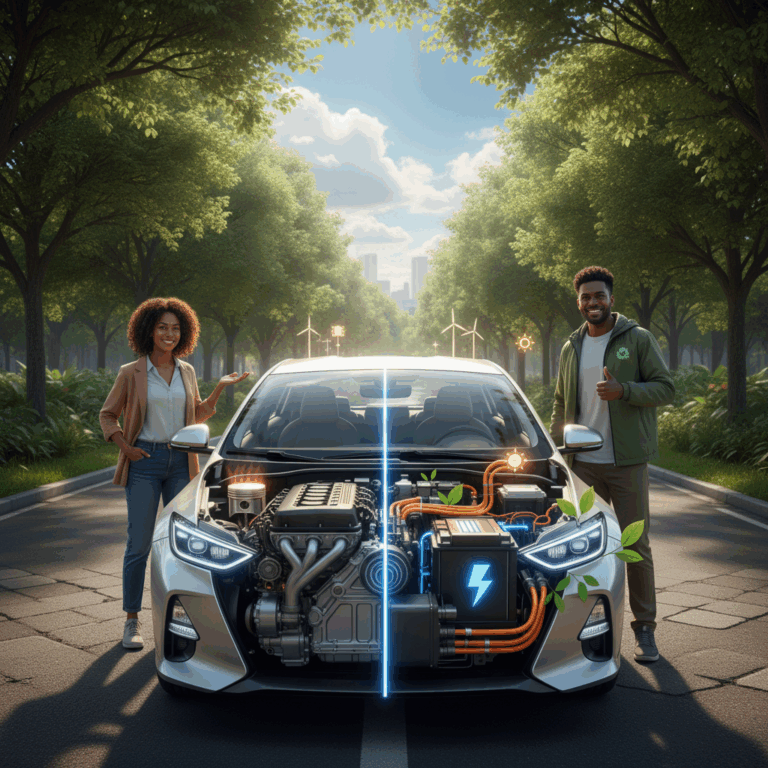
Hybrid cars combine an internal combustion engine with an electric motor, creating a system that maximizes fuel efficiency and reduces harmful emissions. This innovative integration allows the vehicle to switch seamlessly between power sources.
These vehicles use advanced technology to decrease carbon dioxide and other greenhouse gas emissions compared to conventional cars, contributing significantly to environmental improvement and better urban air quality.
Additionally, hybrids incorporate systems designed to enhance energy usage, providing a sustainable alternative for drivers who seek efficiency without sacrificing performance or convenience.
Internal Combustion and Electric Motor Integration
The hybrid system strategically combines an internal combustion engine with an electric motor, allowing both to power the vehicle independently or together. This dual approach enhances overall performance and fuel economy.
Electric motors provide instant torque during acceleration, while the combustion engine handles prolonged, higher-speed driving, resulting in smoother energy management and reduced fuel consumption in varied driving conditions.
Through sophisticated control units, the car optimizes the balance between the two power sources, ensuring low emissions during city driving and efficient power usage on highways.
The seamless integration also allows hybrids to switch effortlessly between modes, providing drivers with a reliable, eco-friendly experience without compromising vehicle autonomy.
Energy Efficiency and Regenerative Braking
Hybrid cars incorporate regenerative braking systems that recover energy generated during braking, converting it into electrical energy to recharge the battery automatically. This process significantly increases energy efficiency.
By reusing braking energy that would otherwise be wasted, the vehicle reduces overall fuel consumption and extends the driving range, making hybrids more economical and environmentally friendly.
This innovative technology supports the electric motor’s power supply, ensuring continual battery recharge during regular driving without the need for external charging stations.
Interesting Fact
Regenerative braking can recover up to 70% of the energy typically lost during braking, contributing substantially to the hybrid’s improved fuel efficiency and reduced emissions.
Environmental Benefits of Hybrid Vehicles
Hybrid vehicles offer a significant reduction in greenhouse gas emissions compared to traditional cars, making them an environmentally friendly choice for eco-conscious drivers. They emit less carbon dioxide, directly impacting global warming mitigation.
These vehicles also contribute positively to air quality by reducing pollutants such as nitrogen oxides and particulate matter. This benefit is especially important in urban areas with high traffic congestion prone to air pollution problems.
By combining electric and gasoline power, hybrids create a balanced solution that lowers environmental harm while maintaining practicality and convenience for daily use.
Reduction of Greenhouse Gas Emissions
Hybrid cars emit significantly less carbon dioxide compared to conventional gasoline vehicles because they rely partly on electric power, which reduces fossil fuel consumption and minimizes harmful exhaust gases.
The integration of electric motors allows hybrids to operate efficiently at lower speeds and in stop-and-go traffic, where internal combustion engines typically consume more fuel and release more emissions.
This reduction is crucial for combating climate change since transportation is a major source of global greenhouse gas emissions worldwide.
Improved Air Quality Contributions
Hybrids improve urban air quality by lowering emissions of nitrogen oxides and other pollutants that worsen respiratory illnesses and environmental degradation, supporting healthier cities.
Reduced tailpipe emissions contribute to cleaner air, benefiting public health and helping meet air quality standards more easily, especially in areas with dense populations and heavy car use.
Thanks to their lower level of toxic emissions, hybrids help mitigate smog formation and protect ecosystems affected by acid rain and pollution.
Comparison with Conventional and Electric Cars
Compared to conventional vehicles, hybrids produce fewer emissions and consume less fuel, offering an important environmental advantage without the limitations of pure electric cars like range anxiety or charging times.
While fully electric vehicles emit zero tailpipe pollution, hybrids provide a practical middle ground by combining electric efficiency with gasoline range, making them accessible to a wider range of users.
This makes hybrids a compelling choice for drivers seeking sustainable transportation solutions without compromising autonomy or convenience.
Practical Advantages for Eco-Conscious Consumers
Hybrid cars offer eco-conscious drivers practical benefits beyond environmental impact. Their advanced features create a user-friendly and cost-effective driving experience designed for sustainability.
Thanks to innovative battery systems and efficient engines, hybrids reduce daily hassles, ensuring that users can enjoy green technology without sacrificing convenience or financial sense.
These advantages make hybrids attractive for consumers seeking to lower their carbon footprint while maintaining ease of use and budget-friendly operation.
Automatic Battery Recharging Features
One major advantage of hybrid vehicles is their automatic battery recharging. This means the battery recharges while driving through regenerative braking and engine power, eliminating range anxiety.
Drivers do not need to look for external charging stations, as the system continually maintains battery levels, making hybrids more convenient than purely electric vehicles.
This feature is particularly attractive for everyday use, providing a seamless experience without additional charging efforts or schedule interruptions.
Lower Maintenance and Operational Costs
Hybrids generally require less maintenance than traditional cars because the electric motor reduces wear on the combustion engine, brakes, and transmission components.
Operational costs are also reduced since hybrids consume less fuel, resulting in noticeable savings on fuel expenditure over time for eco-conscious consumers.
Moreover, some hybrid components have longer lifespans, further lowering repair and replacement expenses and adding to the overall affordability of owning such a vehicle.
Market Appeal and Incentives
Hybrid cars have gained strong market appeal due to a combination of government incentives and consumer demand for sustainable transportation solutions. These benefits make hybrids an attractive choice for eco-conscious buyers.
Government policies often include tax credits, rebates, and access to low-emission zones, which help reduce the overall cost of owning a hybrid vehicle and encourage their adoption worldwide.
These incentives, paired with growing environmental awareness, contribute to the rising popularity of hybrid cars among individuals seeking both economic and ecological advantages.
Government Incentives and Regulatory Benefits
Governments around the world offer financial incentives such as tax reductions, rebates, and grants to encourage consumers to purchase hybrid vehicles, decreasing initial costs and making them more affordable.
Additionally, hybrids often enjoy regulatory benefits, including exemptions from congestion charges and access to restricted traffic zones, which can save time and money for daily commuters.
These policies reflect a broader commitment to emissions reduction, aiming to accelerate the transition toward cleaner transportation and help meet climate goals set by governments.
Consumer Preferences for Sustainability and Convenience
Modern consumers increasingly prefer hybrids because they balance environmental sustainability with practical convenience, offering lower emissions without sacrificing driving range or refueling ease.
Hybrids eliminate range anxiety common with full electric vehicles by combining electric power with gasoline engines, making them suitable for varied driving needs and longer trips.
Moreover, automatic battery recharging and lower maintenance demands appeal to drivers seeking hassle-free, cost-effective alternatives that align with their eco-friendly values.